Root Canal Treatment in Chalk Farm, NW3
Gentle Root Canal Treatment in London
If you’re experiencing severe tooth pain, a root canal is not the cause of the problem; it’s the solution. This routine, highly successful procedure eliminates infection, stops your pain, and, most importantly, saves a tooth that would otherwise need extraction.
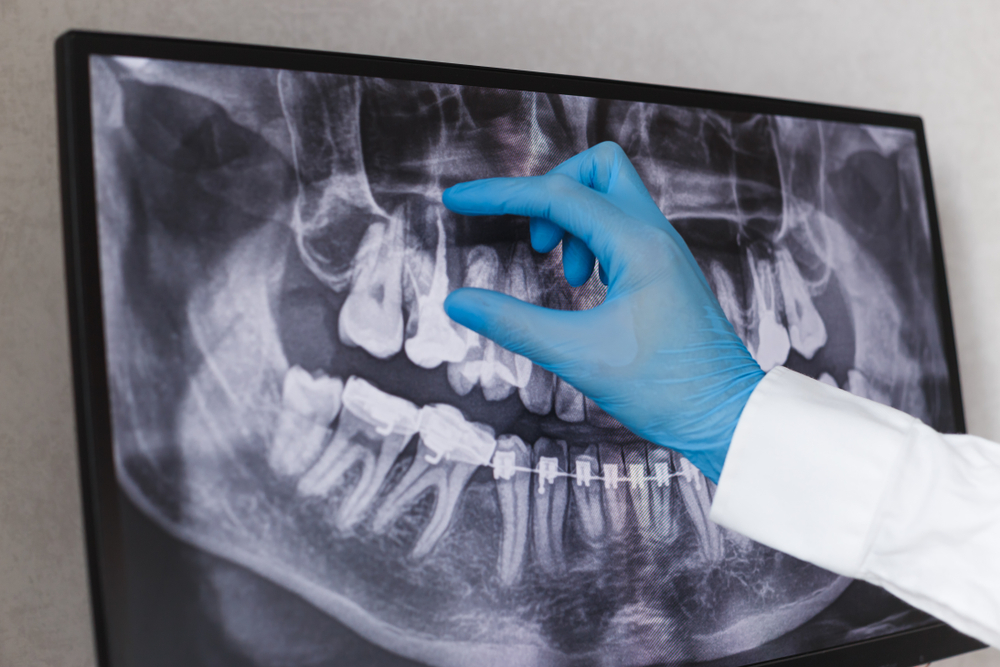
At our state-of-the-art Primrose Hill practice, our expert team uses advanced technology, including precision rotary instruments and digital imaging, to perform modern, pain-free root canal therapy. The entire procedure is carried out under effective local anaesthetic, meaning you will not feel any pain during your treatment. We have made the process so comfortable and efficient that most patients are surprised at how straightforward it is.
Don’t endure the pain or risk losing your tooth. We prioritise your comfort and peace of mind. Let our skilled and gentle team restore your dental health and bring you immediate relief.
Why Would I Need a Root Canal?
Inside each of your teeth is a soft tissue called pulp, which contains nerves and blood vessels. If a tooth has a deep cavity, is cracked, or has suffered trauma, bacteria can enter and infect the pulp. This infection causes inflammation and pressure inside the tooth, leading to a severe, persistent toothache.
Signs you may need a root canal:
- Severe, throbbing tooth pain, especially when chewing or applying pressure.
- Prolonged sensitivity to hot or cold temperatures.
- Discolouration or darkening of the tooth.
- Swelling and tenderness in the nearby gums.
- A persistent or recurring pimple on the gums (an abscess).
The Root Canal Procedure: A Pain-Relieving Process
Our experienced dentists perform root canal treatment with precision and care, ensuring you are comfortable throughout.
- Numbing: The first and most important step is to make sure the tooth and surrounding area are completely numb with a local anaesthetic.
- Cleaning the Canal: The dentist makes a small opening in the tooth to access the infected pulp. The dentist carefully removes the diseased pulp and cleans, disinfects, and shapes the inside of the root canals.
- Filling the Canal: The cleaned canals are then filled with a biocompatible, rubber-like material called gutta-percha to seal them off and prevent reinfection
- Restoration: The procedure ends with a temporary or permanent filling. Because a tooth is more fragile after a root canal, we will almost always recommend placing a dental crown on top to provide long-term protection and strength.
